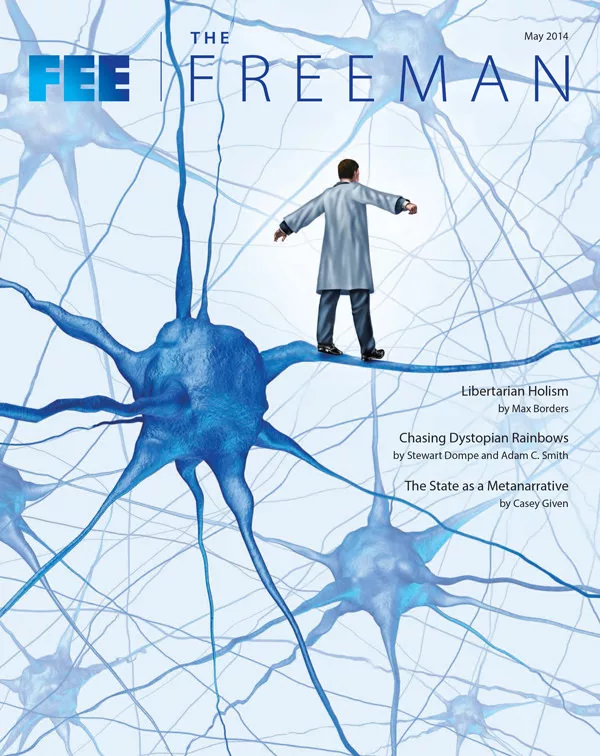
The Freeman: May 2014 Volume 64, 2014
From government-crafted myths to restrictive zoning laws and envy-driven policies, this edition of The Freeman exposes how the state shapes perception, limits opportunity, and justifies its own power.

From government-crafted myths to restrictive zoning laws and envy-driven policies, this edition of The Freeman exposes how the state shapes perception, limits opportunity, and justifies its own power.
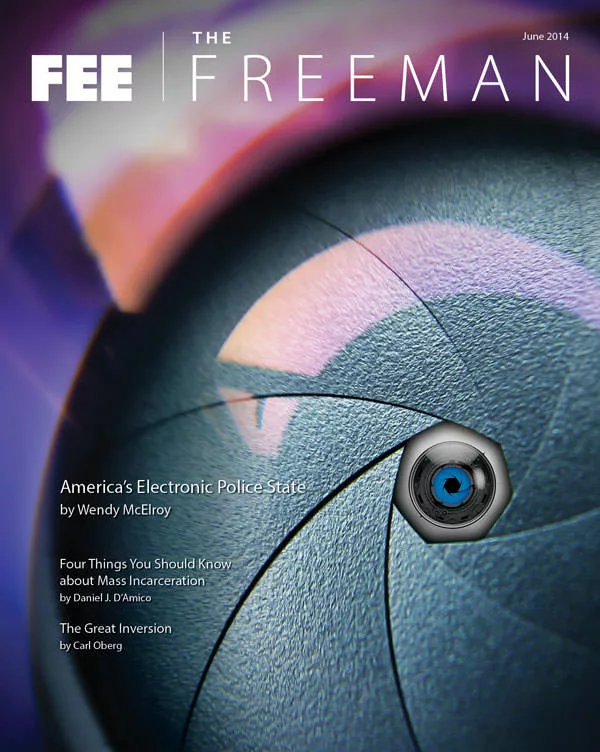
When does government do more harm than good? This edition of The Freeman unpacks the failures of mass imprisonment, the high cost of the death penalty, and how Bitcoin shifts economic power away from the state.
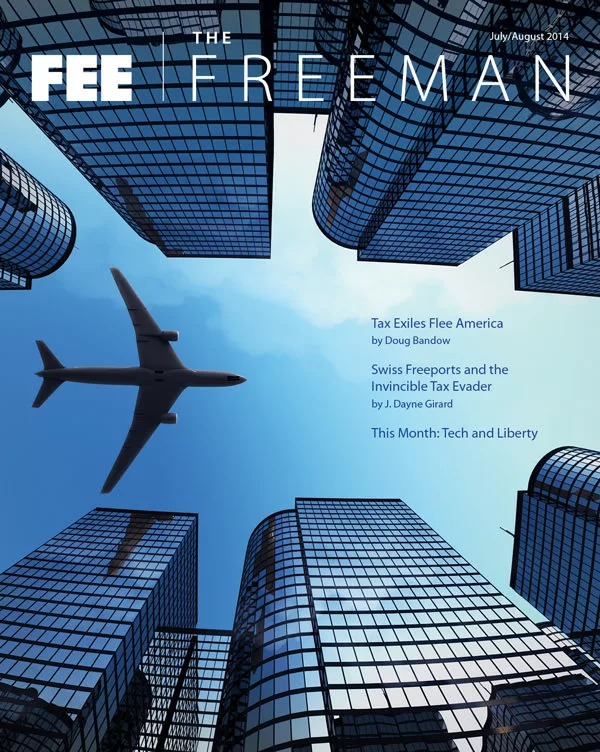
Challenging the status quo. This edition of The Freeman explores how innovation, freedom, and market forces disrupt entrenched systems—from tax havens to European governance and healthcare regulation.
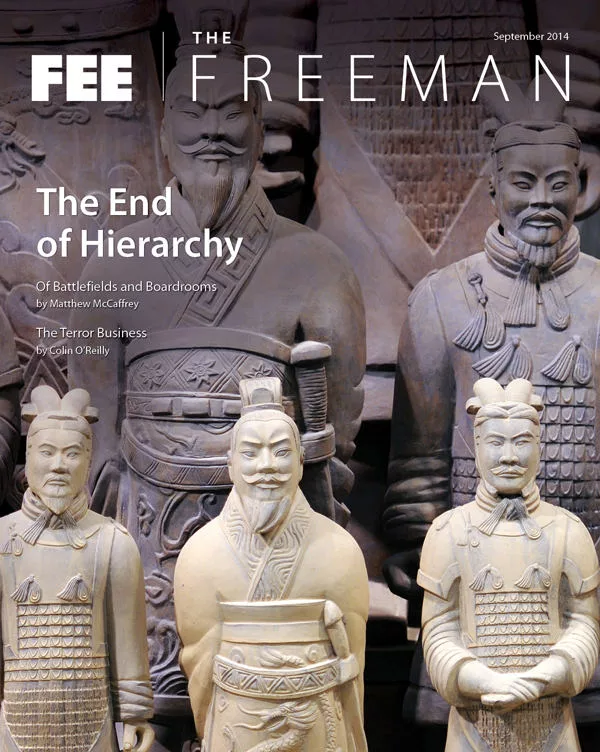
Decentralization, innovation, and disruption. This edition of The Freeman explores how emerging technologies and bold ideas are redefining governance, entrepreneurship, and the pursuit of liberty.
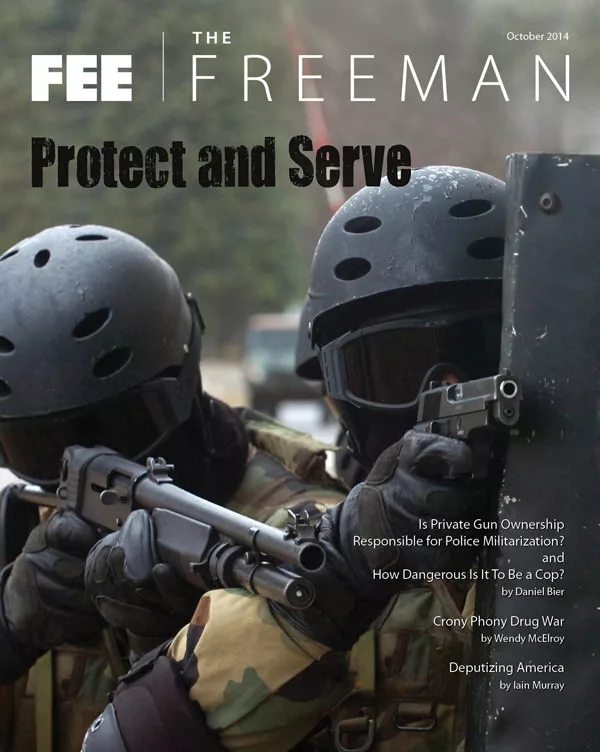
Is freedom thriving in today’s world? From police militarization to corporate tax inversions and secession movements, this edition of The Freeman examines the bold ideas and debates shaping liberty, governance, and economic progress.
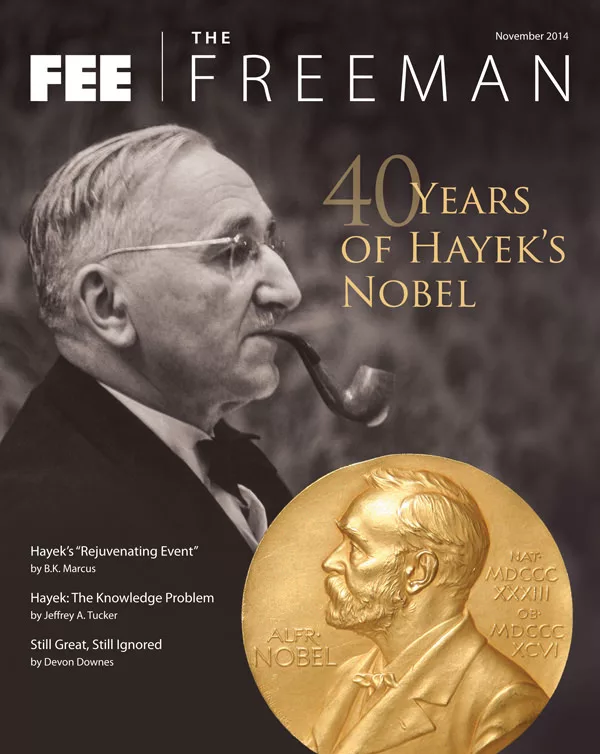
Are today’s institutions ready for tomorrow’s innovation? From the surveillance state to the rise of robotics, this edition of The Freeman highlights how free markets and entrepreneurial spirit drive progress—and why intellectual humility is key in a complex world.
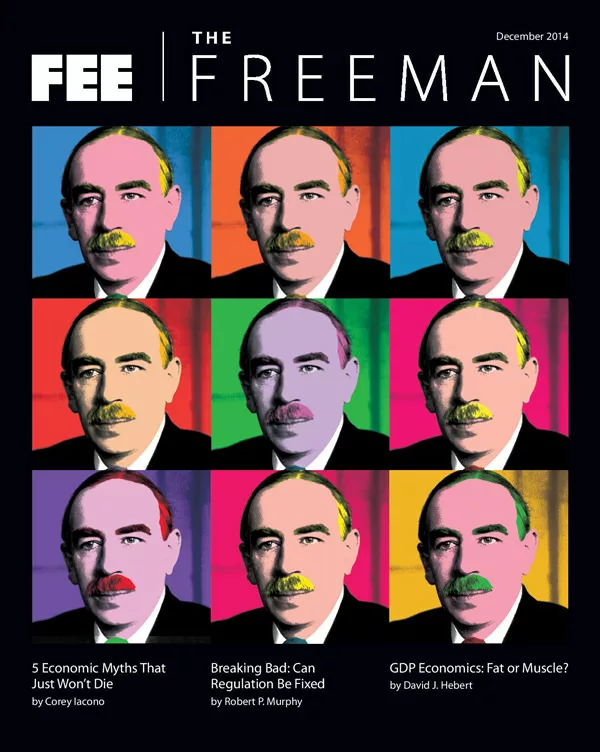
Can regulation ever truly serve the people? Is GDP just an illusion of progress? In this edition of The Freeman, we uncover the flaws in the systems we trust and explore the daring ideas that empower markets, entrepreneurs, and freedom itself.
We begin our inaugural quarterly edition of the Freeman in celebration of a great flowering.
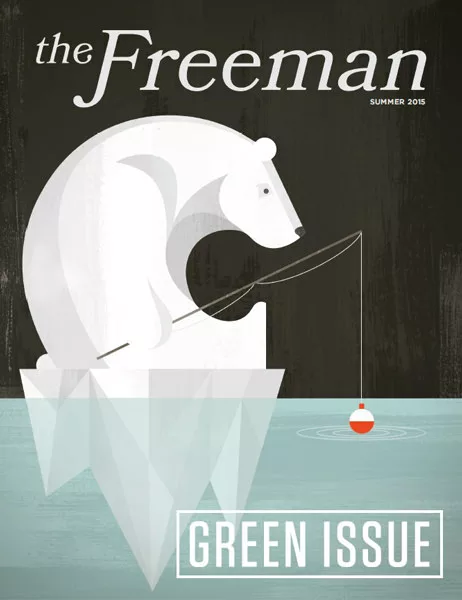
This issue of the Freeman is dedicated to Mother Earth. We operate with the knowledge that, when it comes to the goals of conservation and protection, wealthier is healthier.
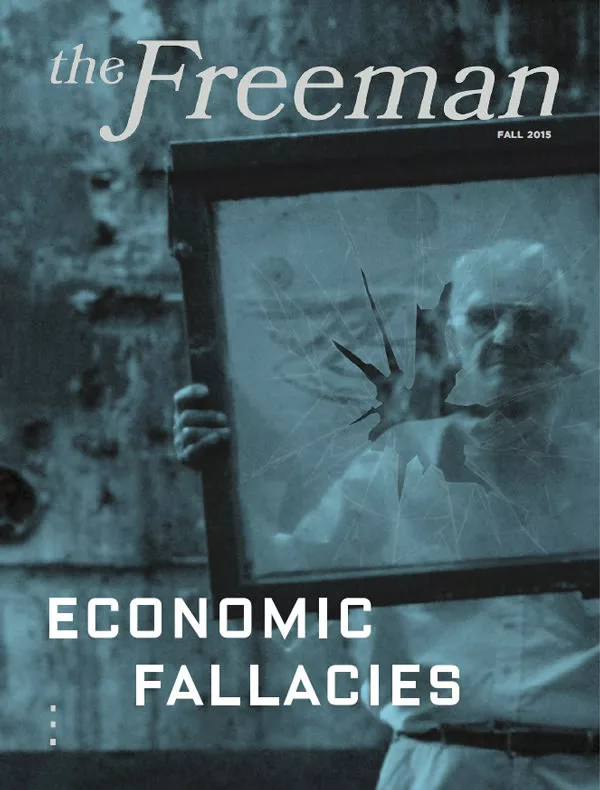
“Economics is haunted by more fallacies than any other study known to man,” wrote Henry Hazlitt in Economics in One Lesson.
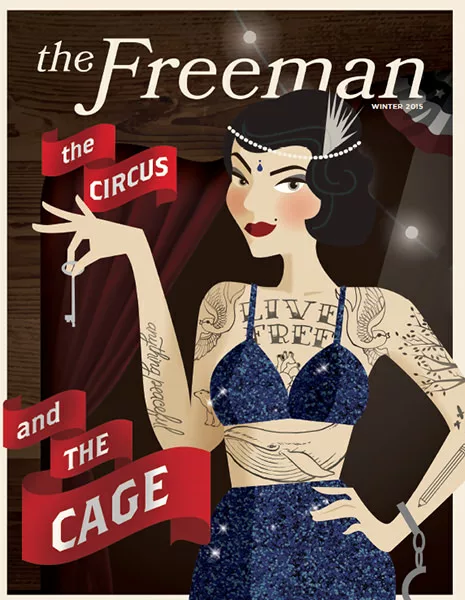
“Democracy is the art and science of running the circus from the monkey cage,” said H.L. Mencken.
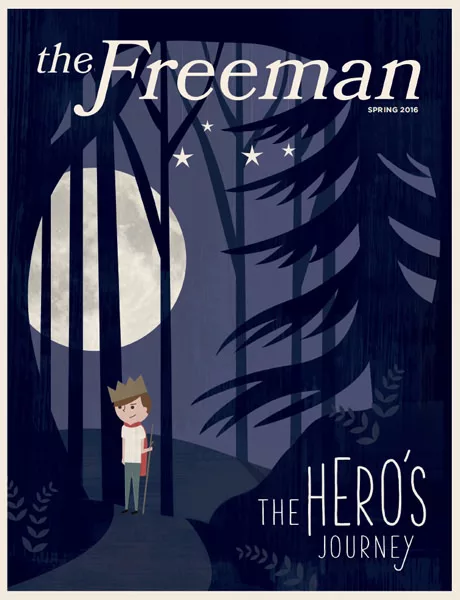
Humanity’s oldest stories follow the form: the lone individual in peril on behalf of his tribe. From the Hobbit to Harry Potter, from Star Wars to the Hunger Games, we see this pattern embedded in the structure of our favorite tales.
